I Was 22 on 9/11. Now My Memory Is an Archive.
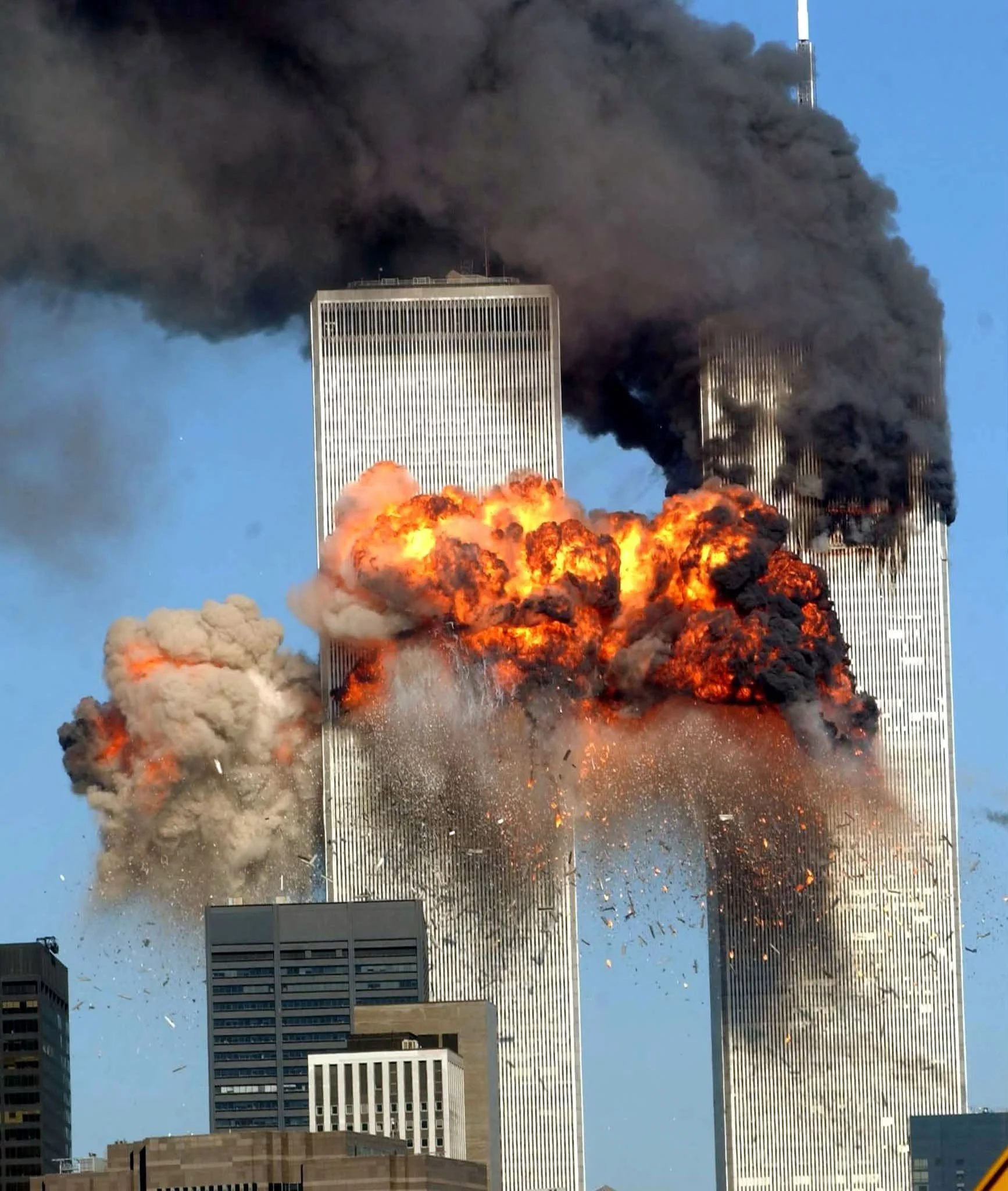
September 11, 2001. The World Trade Center in New York City burns following the terrorist attacks that would reshape American life and global affairs. For those who witnessed the day, the image remains part of living memory; for a growing share of the world, it belongs entirely to history.
Soon, most people alive will have no living memory of 9/11.
That is an extraordinary thought.
I was 22 years old on September 11, 2001. I remember that day vividly. I remember watching the world change in real time. Those memories will remain with me forever.
But today, only about 51% of the world’s population has a strong living memory of 9/11. Nearly half of humanity knows it primarily as history.
As a trained historian and archivist, I find that deeply striking.
There comes a moment when every world-changing event crosses an invisible line—from lived memory into history.
Documents replace recollections. Photographs become evidence. Oral histories preserve voices. Archives become the custodians of experiences that fewer and fewer people can remember firsthand.
For my generation, there was a world before 9/11 and a world after it.
Soon, fewer than half the people alive will remember that difference.
I know history is always being made.
It is stranger to realize that I have lived long enough to watch my own memories become history.