32 Frames and the Ethics of Remembering
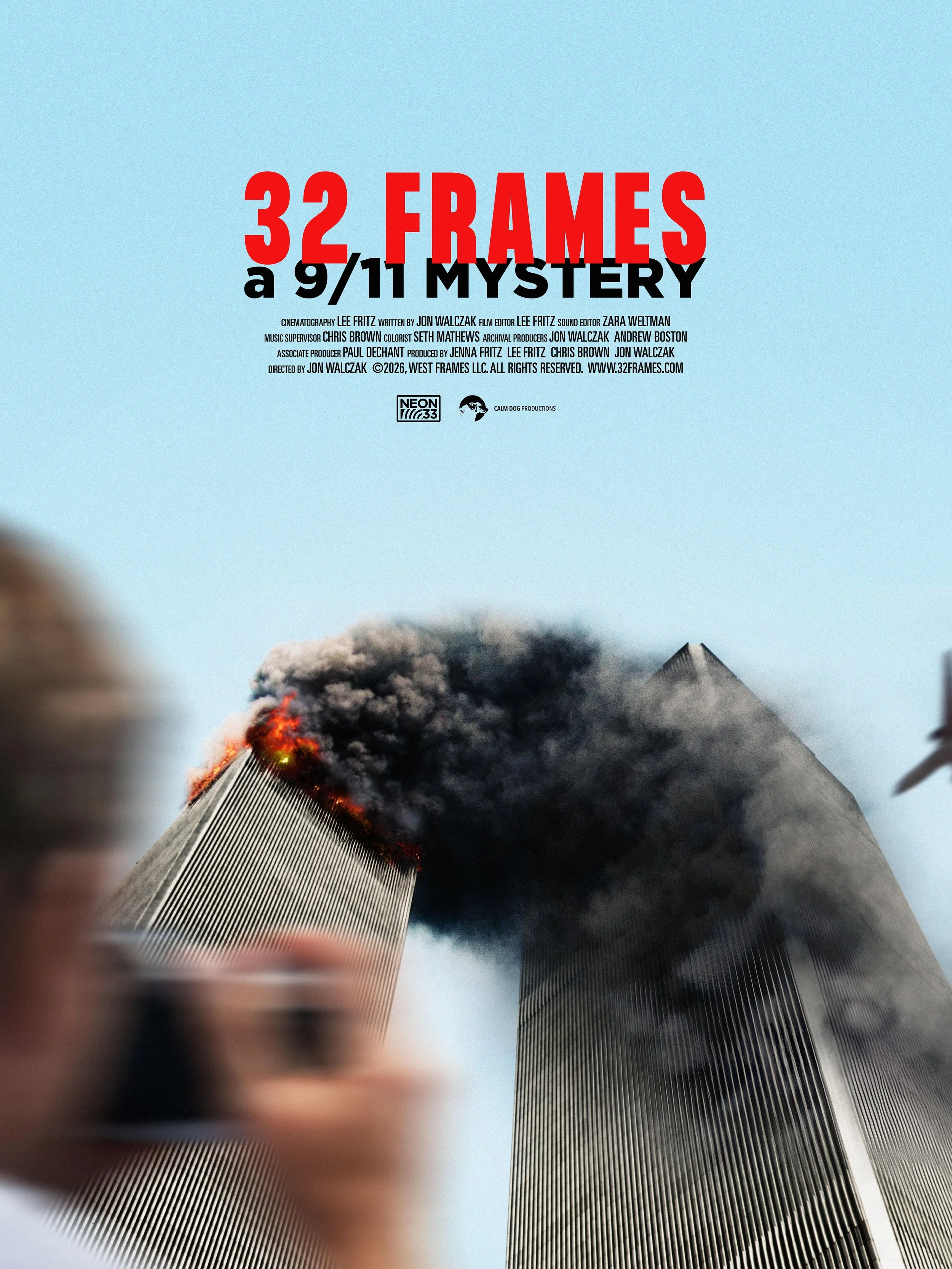
Promotional image for 32 Frames: A 9/11 Mystery (2026), directed by Jon Walczak. The documentary explores 32 previously unseen photographs taken during the September 11, 2001, attacks and the mystery surrounding the photographer who captured them. Image source: IMDb, 32 Frames: A 9/11 Mystery. IMDb film page
32 Frames: A 9/11 Mystery. Is one of the hardest documentaries to watch for me - as a photographer and archivist. It raises questions of should these photos be shown to the public? Is there value in sharing - could someone see the photos and get a glimpse of a loved one - in a window or jumping? Would that bring much needed closure and peace to families?
Ultimately, I say they should be shown. Someone died to take these photos, and I believe they should be shown and shown unedited. These are the last moments of someone's life. More than that photos are powerful - they capture one moment in time. In these cases, horrible - world changing moments in time. This documentary is very moving and hard to watch.
I also think about the digital/analog nature of 911 Ephemera - for the most part - this was an analog age. If anyone has magnetic tape, negative or film prints stored away - they could be moving closer to vinegar syndrome. It is a poignant thought - living memory is disappearing from this event - now physical representations are fading too.
When the event happened - it was as the gods had hurled a boulder into the sea - 25 years on - the impact is more like a pebble in the sea. Some of us remember the boulder and other will only remember the pebbles. However, this documentary and these photos are important – they are not a sanitized view of history – they bring back and make the impact of the boulder onto our trusting and sheltered world visible. They pull back a layer of sanitation and comfort to force us to confront the un-edited events of the day.