When the Prayer Sounds Like an Aria: Vissi d’arte and the Dark Night of the Soul
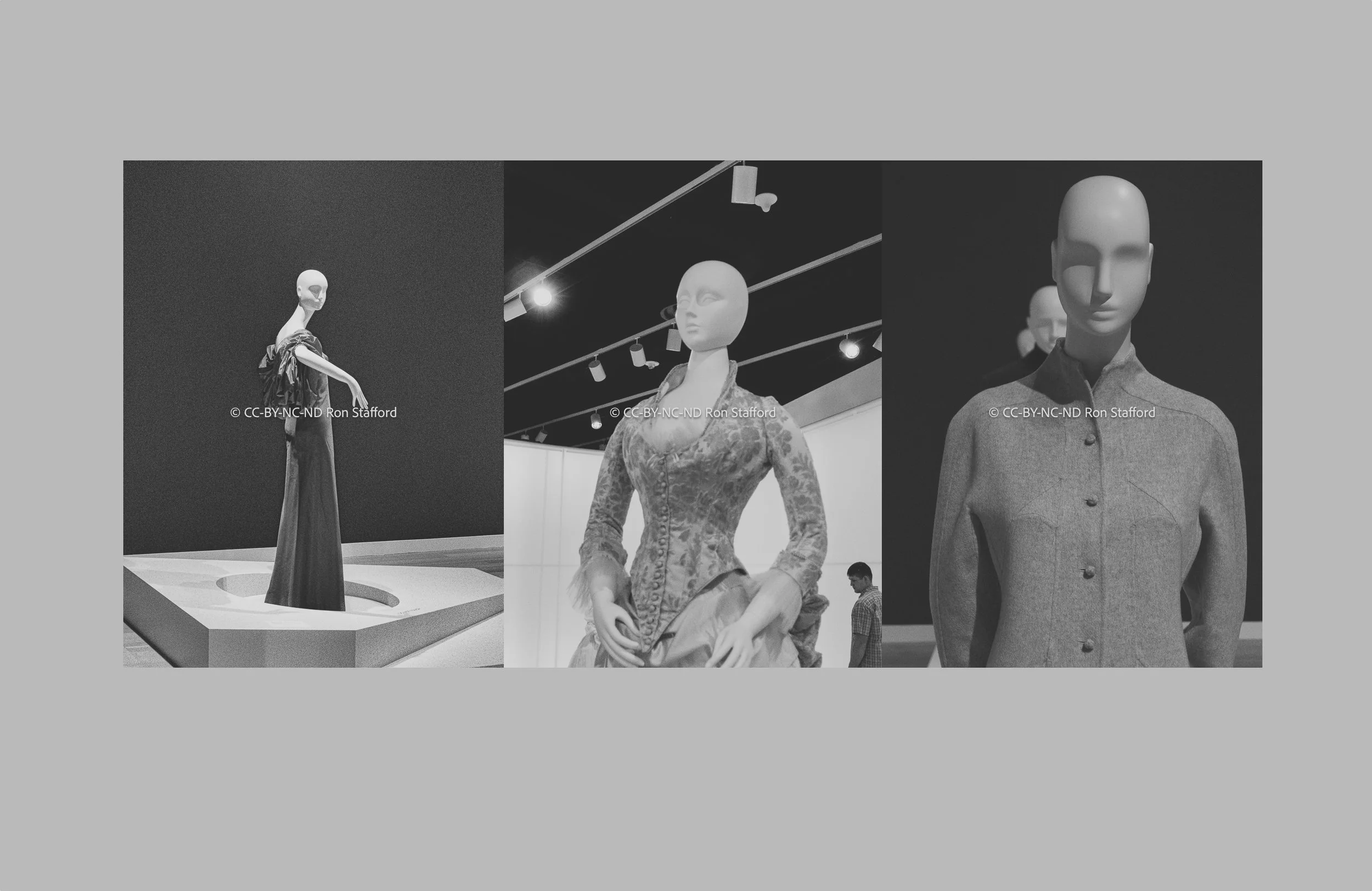
This photograph feels like the place I am standing in right now, somewhere between shadow and hope, silence and survival. The faceless figures remind me of how suffering can strip life down until you barely recognize yourself, yet the light still falls across them, quietly insisting that beauty has not disappeared. Art has become one of the ways I speak when I do not have the words, a way to hold grief, faith, fear, and hope in the same frame. Even in the darkness, I am still creating, still feeling, still searching for the light.
There are some prayers that do not sound polished. They come from the raw places, the tired places, and the places where faith is still present but barely able to speak. That is why Puccini’s aria Vissi d’arte has stayed with me. Tosca cries out that she has lived for art, lived for love, prayed faithfully, given what she had, and still finds herself in the hour of grief. Her question is not cold or faithless. It is painfully human: Lord, I tried to do good, so why does it feel like this?
I identify with that more than I wish I did. I have tried to help where I could. I have tried to give my work, my art, my scholarship, my faith, and my strength to others. I have tried to show up, serve, encourage, teach, and love people through their difficult moments. But even after all of that, there are still seasons when I feel forgotten by God. Not because I have stopped believing, but because the silence feels so heavy. There are moments when I look at my own suffering and quietly ask, like Tosca, why this, Lord, and why now?
St. John of the Cross gives language to that kind of spiritual darkness. In his poem The Dark Night, he writes of the soul moving forward “in darkness and secure,” guided not by what it can see, but by the love burning within it (John of the Cross, 1991, p. 51). That image matters to me because sometimes the only light I have left is not around me. It is not in my circumstances, my plans, my recovery, or my ability to fix everything. Sometimes the only light left is the small flame God placed inside me, the one that keeps whispering, you are not abandoned, and you are not done.
But I also have to admit something difficult. Sometimes what feels like abandonment may actually be God allowing me the freedom to do what I keep insisting I can do alone. I ask God for help, then immediately try to control everything myself. I pray for guidance, but I already have my own plan. I want God to speak, but I rarely get still enough to listen. Then, when I am exhausted and overwhelmed, I wonder why God feels far away.
Maybe God is not far away. Maybe I have simply been too loud, too busy, and too determined to carry what I was never meant to carry by myself.
St. John of the Cross teaches that the dark night is not the absence of God, but a painful purification of the soul. It strips away false confidence, shallow comfort, and the illusion that we are in control (John of the Cross, 1991). I do not always like that lesson. I would rather have quick answers, fast healing, and a clear map. But faith does not always come with a map. Sometimes faith is sitting in the quiet and finally saying, God, I cannot do this without You.
So when I feel forgotten, I am trying to remember that silence is not the same as absence. When I feel abandoned, I am trying to remember that God has not misplaced me. And when I feel like Tosca, crying out in the hour of grief, I am trying to let that cry become a prayer instead of a wall.
I have lived for art. I have lived for love. I have tried to help where I could. And still, I know the dark night. But I also know this: God may be quiet, but He is not gone. He may allow me to try it my way, but He is still waiting for me to turn back toward Him. The stillness is not abandonment. It may be the very place where Love has been waiting all along.
References
John of the Cross. (1991). The collected works of St. John of the Cross (K. Kavanaugh & O. Rodriguez, Trans.). ICS Publications. Original work published 1578.
Puccini, G. (1900). Tosca [Opera]. Libretto by L. Illica & G. Giacosa.