When God Spoke Through the Lens
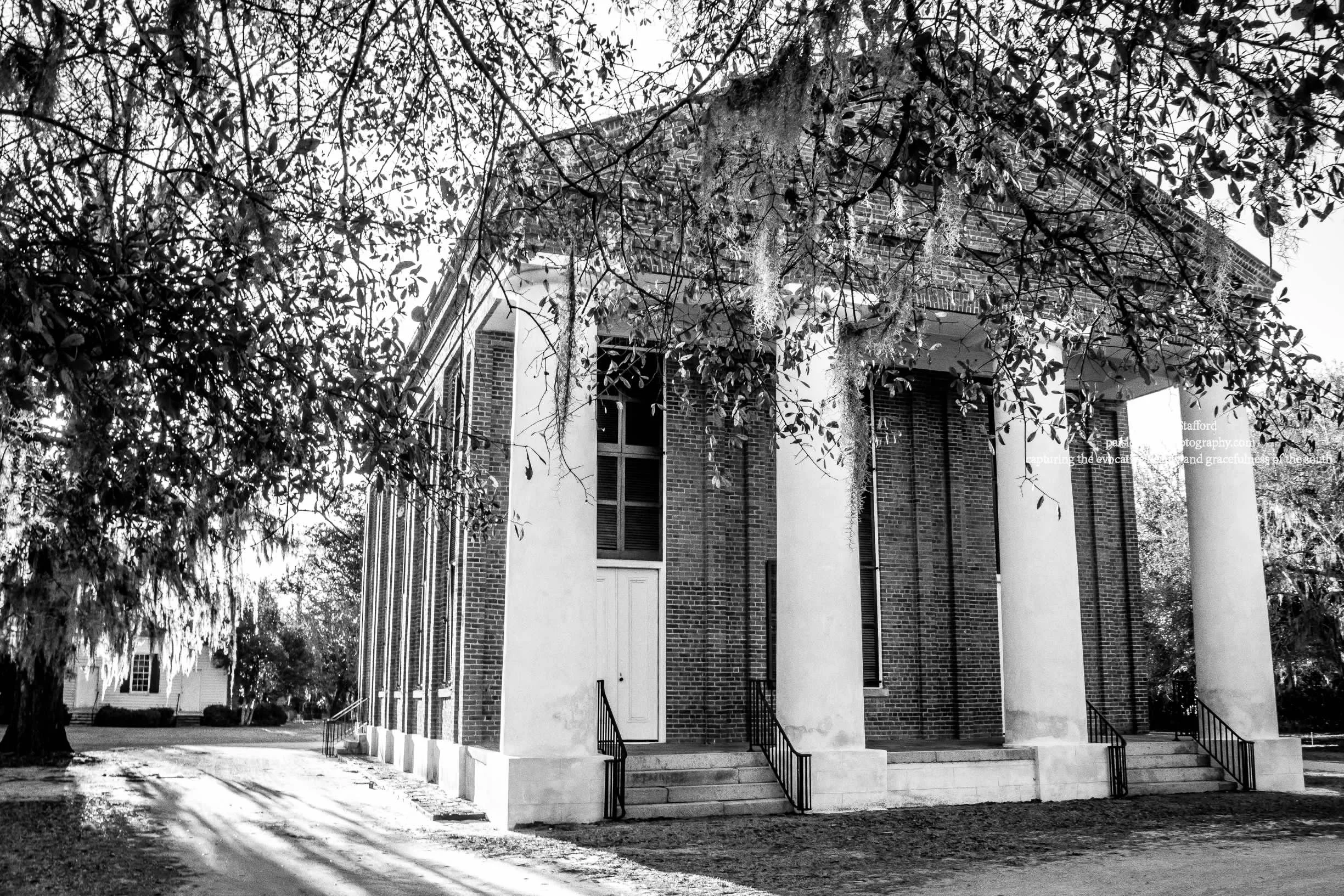
Beneath the moss-draped branches of Salem Black River Church in Mayesville, South Carolina, history and holiness seem to rest together. In this quiet place, the old brick walls, white columns, and filtered light remind me that sacred spaces do not simply preserve the past, they invite us to be still long enough to hear God speaking
Edith Stein once wrote, “All genuine art is revelation and all artistic creation is sacred service.” I have been sitting with that quote because, whether I wanted to admit it or not, it speaks directly to my own life.
For many years, I have tried not to listen too closely to God. I have prayed, of course. I have gone to church. I have studied theology, served in ministry, written about faith, and spoken the language of calling. But listening is different. Listening requires stillness. Listening requires surrender. Listening means being quiet enough to hear what God is actually saying, not just what I want Him to say.
And if I am honest, I have spent a lot of my life being busy doing what I wanted to do.
Recently, while selecting photographs for a show, I noticed something I had somehow missed for years. Almost every photograph I have taken, not a few, not even most, but nearly all of them, were of historic churches. Stone churches. Wooden churches. Country churches. Empty sanctuaries. Stained glass windows. Altars. Pews. Steeples. Doors. Light falling across old floors. Sacred spaces that have carried generations of prayers.
It startled me. I realized that about 98.8% of my photographs were not simply architectural images. They were churches.
For years, I thought I was just drawn to history. I thought I was capturing buildings, craftsmanship, and preservation. And yes, that is part of it. But now I wonder if something deeper was happening. Maybe God was speaking through the lens long before I was willing to listen with my heart.
When I walk into an old church, something in me settles. I feel peace there. I feel held there. I feel like the noise of the world grows quieter, even if only for a moment. Historic churches remind me that faith is not new, fragile, or dependent on my current strength. They remind me that people before me have suffered, prayed, doubted, hoped, worshiped, and endured. They remind me that God has been present in every generation, including mine.
Maybe that is why I kept photographing them.
Maybe God was drawing me again and again into sacred spaces, asking me to be still. Maybe He was saying, “Look closer.” Maybe He was saying, “Listen.” Maybe He was showing me that beauty itself can become a form of prayer.
That is what Stein’s words help me understand. Genuine art is not just decoration. It reveals something. It uncovers what we may not yet be ready to name. It tells the truth before we know how to speak it. My photographs may have been revealing a calling I was too distracted, too stubborn, or too afraid to fully hear.
I thought I was choosing churches as subjects.
Now I wonder if God was choosing them as messages.
For years, I have stood behind the camera trying to capture sacred places. But perhaps God was using those places to capture me. Perhaps every steeple, every sanctuary, every weathered church door was an invitation to stop running, stop performing, stop controlling, and simply listen.
Art, at its best, becomes sacred service because it turns our attention back toward God. It helps us see what we have ignored. It gives form to the longings we have buried. It reveals the holy hidden in plain sight.
And maybe, after all this time, I am finally beginning to hear what God has been telling me.
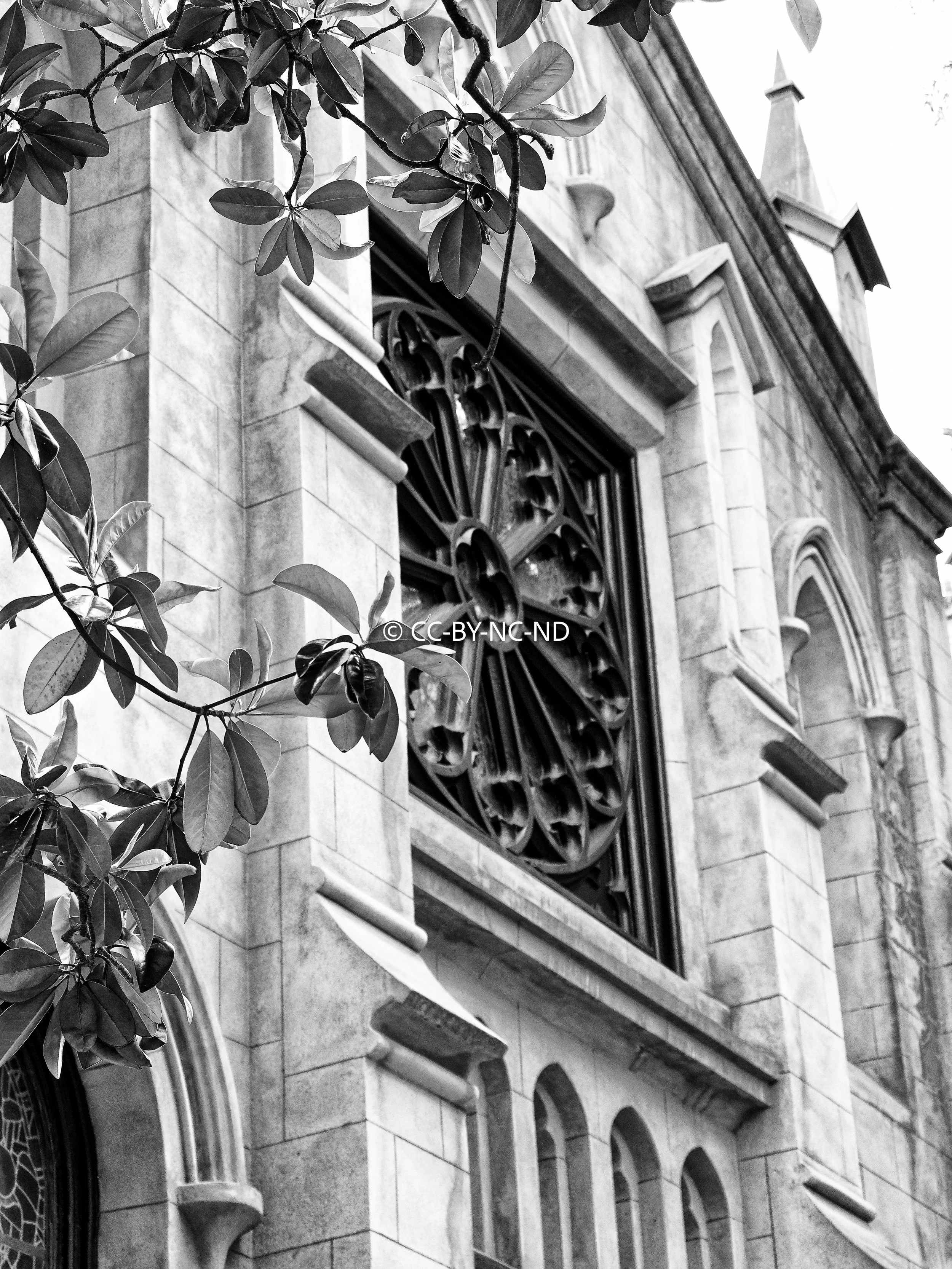
Framed by magnolia leaves, the stonework and sacred glass of Trinity Episcopal Cathedral in Columbia, South Carolina, rise like a quiet prayer. In this image, architecture becomes more than structure, it becomes invitation, calling the eye upward and the soul inward toward stillness, beauty, and God.