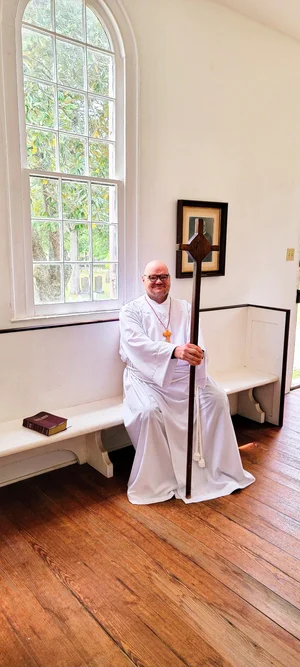
The Ground That Made Me: Faith, Place, and the Southern Intellectual Tradition
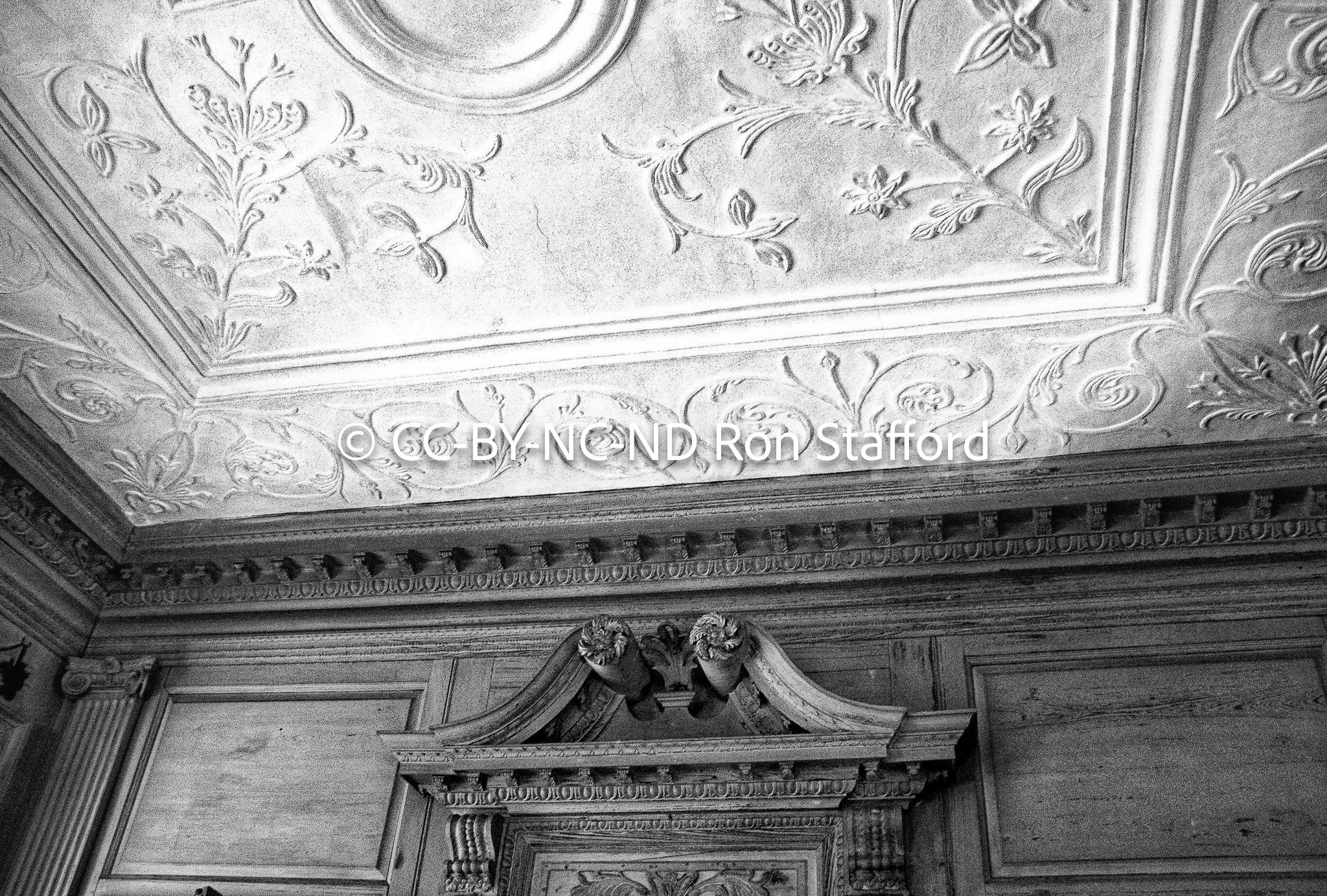
Detail of the ceiling at Drayton Hall in Charleston, South Carolina. This is the kind of image that reminds me why place matters. The South holds its history in surfaces — in plaster, wood, shadow, ornament, beauty, and decay. My photography is often an attempt to listen to what these old spaces are still saying. Like the Southern intellectual tradition that shaped me, this ceiling is not just decoration. It is memory made visible: faith, history, labor, survival, and beauty all held in one frame.
“One place understood helps us understand all places better” ~ Eudora Welty (Welty, n.d.).
I have been thinking a lot about where I come from and how deeply it shaped the way I see the world.
There is a Southern intellectual tradition that I feel connected to in my bones. Not the fake kind of sophistication where people try to sound smarter than they are. Not performance. Not polish for the sake of polish. I mean something deeper than that. I mean a way of thinking shaped by place, faith, history, education, struggle, beauty, contradiction, and survival.
The South taught me that knowledge is never just something found in a book. It is found in the stories people tell, in the churches that raised us, in old buildings, in family history, in cemeteries, in classrooms, in libraries, and in the quiet ways people keep going when life has not been easy.
That is the tradition I feel tied to.
It reminds me of writers like Eudora Welty, Flannery O’Connor, and Walker Percy. They were intellectually serious, but they were also rooted. They understood that place matters. They understood that faith and doubt can live side by side. They understood that suffering can reveal grace, and that the ordinary world is often full of mystery if we are still enough to see it.
Welty understood this not only as a writer, but also as someone who used a camera. Her photographs documented people, landscapes, family life, and Mississippi culture, and many were taken in Mississippi (Mississippi Department of Archives and History, n.d.). Her Depression-era photographs also show people on porches, at work, in conversation, and in daily life, often with a kind of human attention that was different from more formal government documentary photography (National Endowment for the Humanities, 2011). They were not just images. They were acts of attention. They showed that a place does not have to be grand to be meaningful. A face, a storefront, a road, a field, or a church can hold an entire theology of memory.
That feels very familiar to me.
My own photography comes from that same impulse. I am drawn to buildings, details, old walls, windows, columns, signs, doors, light, shadow, and the small marks that time leaves behind. I do not photograph just because something is pretty. I photograph because something is speaking. A cracked wall can say something about endurance. A doorway can say something about passage. An old building can hold memory better than any textbook. The camera becomes a way of listening.
That, to me, is part of Southern intellectualism too. It is not only written. It is visual. It is architectural. It is spiritual. It is found in what remains.
I think about photographers like William Christenberry, William Eggleston, and Sally Mann. Christenberry returned again and again to Hale County, Alabama, photographing buildings and landscapes as they changed, decayed, and disappeared over time (Pierce, 2016). Eggleston helped make the ordinary visible, giving weight to everyday Southern scenes such as cars, gas stations, interiors, roads, and shop fronts (The Art Story, n.d.). Mann’s work has often wrestled with family, memory, landscape, mortality, and the haunted nature of Southern place (Cooke, 2025).
That kind of photography speaks to me because it does what the best Southern writing does. It pays attention. It refuses to look away. It says that beauty and brokenness are often standing in the same frame.
I did not come from a world where intellect was handed to me like an heirloom. I came from rural South Carolina, from a place where people had to work, endure, adapt, and make meaning out of what they had. That kind of place teaches you things no degree can fully explain. It teaches you to listen. It teaches you to notice. It teaches you to read people, rooms, silences, buildings, landscapes, and stories.
Maybe that is why I have always been drawn to education, libraries, archives, art, photography, and faith. They are all ways of preserving meaning. They all say, in their own way: this mattered. This place mattered. This life mattered. This story should not be forgotten.
I do not see my Southerners as something I had to overcome in order to become educated. I see it as part of the reason I became who I am. It gave me my questions. It gave me my sense of history. It gave me my concern for people who are often overlooked. It gave my faith deeper roots.
My faith and my sense of place are tied together. God has often spoken to me through place — through memory, through people, through old stories, through struggle, through art, and through the quiet pull of home. I think that is why my camera matters to me. It helps me notice what God may be saying through the world right in front of me.
To understand where I come from is not to reduce me. It is to understand the ground that made me.
And I am still learning how to see that ground clearly.
References
Cooke, R. (2025, September 7). ‘I never hold back’: Sally Mann on her controversial family photos and becoming a writer. The Guardian. https://www.theguardian.com/artanddesign/2025/sep/07/sally-mann-interview-controversial-family-photos-becoming-a-writer
Mississippi Department of Archives and History. (n.d.). Eudora Welty digital archives photographs. https://da.mdah.ms.gov/series/welty/welty-photos
National Endowment for the Humanities. (2011, January/February). Southern exposure. Humanities. https://www.neh.gov/humanities/2011/januaryfebruary/statement/southern-exposure
Pierce, D. (2016, December 16). “I’m very much in love with where I’m from”: William Christenberry’s American South. The New Yorker. https://www.newyorker.com/culture/photo-booth/im-very-much-in-love-with-where-im-from-william-christenberrys-american-south
The Art Story. (n.d.). William Eggleston: Photography, bio, ideas. https://www.theartstory.org/artist/eggleston-william/
Welty, E. (n.d.). Eudora Welty quote: “One place understood helps us understand all places better.” Goodreads. https://www.goodreads.com/quotes/187495-one-place-understood-helps-us-understand-all-places-better
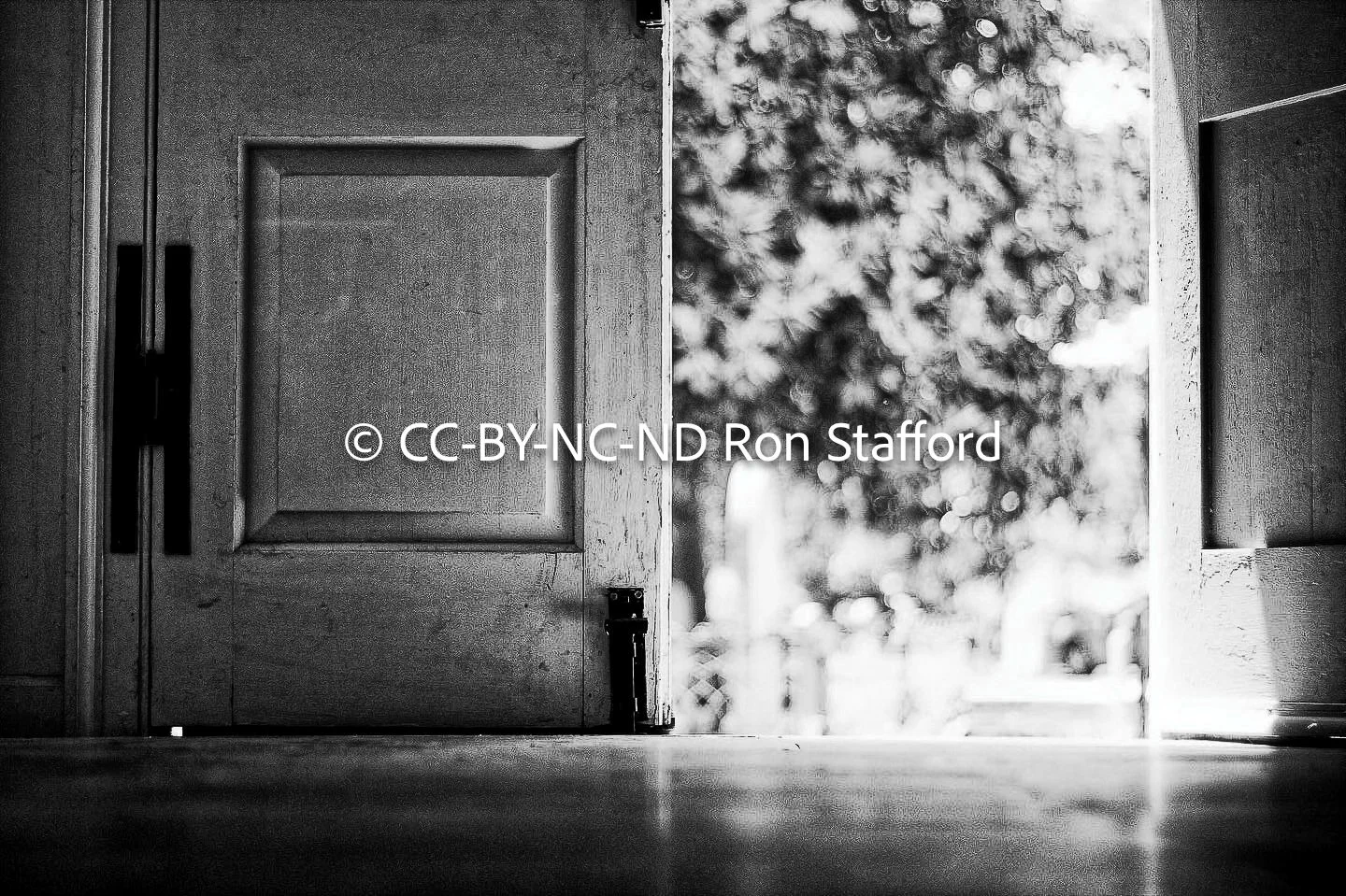
Door at Old St. David’s Church in Cheraw, South Carolina — my home church, dating back to 1774. This photograph feels deeply connected to the heart of the post because it holds so much of what I mean by faith and place. The open door, the worn wood, the light spilling in, and the history beyond it all speak to the way the South carries memory. For me, this is not just an old church door. It is a threshold between past and present, between history and faith, between who I was and who God is still calling me to become. Like much of my photography, it is about listening to what a place still has to say.